

The sort() Method is used to sort a List in Ascending order.
#include <iostream>
#include <list>

using namespace std;

int main() {

    list<string> x = {"Mohan", "Kriti", "Salim"};

    x.sort();

    for (string data : x) {
        cout << data << endl;
    }

    return 0;
}
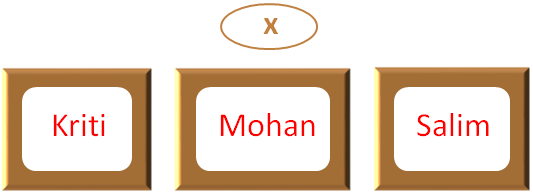
So, in the above code we have created a List and initialised to the variable x.
list<string> x = {"Mohan", "Kriti", "Salim"};Below is how the values are positioned in the List,

Then we have used the sort() method to sort the List x in ascending order.
x.sort();
And the List x gets sorted with Kriti as the first value, Mohan second and Salim as the third.
And we get the below output.
Even here the sort() Method is used to sort a List with numbers in Increasing/Deceasing Order.
At first let us see an example to sort a List with numbers in Increasing order.
#include <iostream>
#include <list>

using namespace std;

int main() {

    list<int> x = {5, 3, 2, 4};

    x.sort();

    for (int data : x) {
        cout << data << endl;
    }

    return 0;
}
So, in the above code we have created a List and initialised to the variable x.
list<int> x = {5, 3, 2, 4};Below is how the values are positioned in the List,
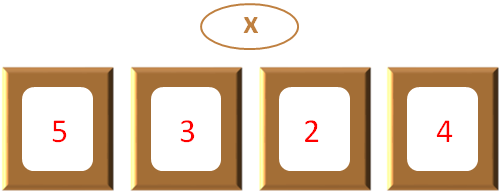
Then we have used the sort() method to sort the List x in increasing order.
x.sort();
And the numbers in the List x gets sorted.
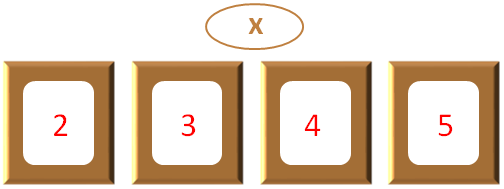
And we get the below output.
Next let us see, how to sort a List in Descending order.
#include <iostream>
#include <list>

using namespace std;

int main() {

    list<int> x = {5, 3, 2, 4};

    x.sort();
    x.reverse();

    for (int data : x) {
        cout << data << endl;
    }

    return 0;
}
So, in the above code we have created a List and initialised to the variable x.
list<int> x = {5, 3, 2, 4};Below is how the values are positioned in the List,
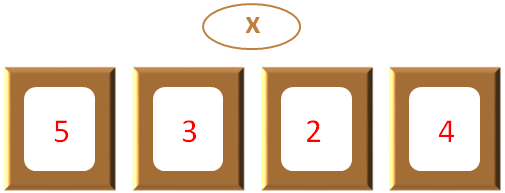
Then we have used the sort() method to sort the List x in increasing order.
x.sort();
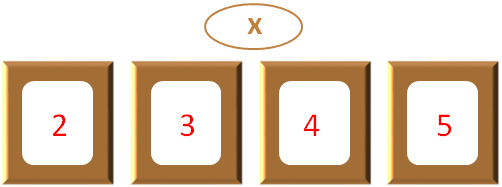
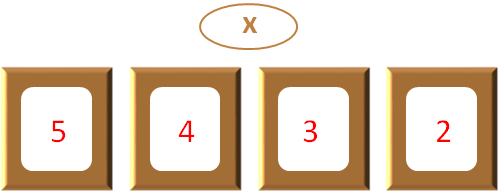
Then we have used the reverse() method to reverse the List
x.reverse();
And the List x gets sorted in decreasing order.
And we get the below output.